

Last Updated: November 17, 2026
Quick Summary
Fly tying can be cheaper than buying flies, but only after you cover the startup cost of a vise and basic tools. The savings grow the more flies you tie, especially common patterns, because materials bought in bulk cost less per fly than retail flies.
- Startup costs include a vise, bobbin, scissors, hackle pliers and a bobbin threader.
- Divide your startup cost by the retail price of flies to find your break-even point.
- A Pheasant Tail Nymph is one of the cheapest patterns to produce because it uses few materials.
- Buying materials in bulk instead of small packs lowers your cost per fly.
- Time spent tying counts as a cost, so factor it in before deciding.
Table of Contents
- Is Fly Tying Cheaper Than Buying Flies at Retail Prices?
- Cost to Start Fly Tying: Vise, Tools and First Materials
- Fly Tying Break-Even Point and Cost Per Fly Tying Your Own
- Frequently Asked Questions
Is Fly Tying Cheaper Than Buying Flies at Retail Prices?
Fly tying can be cheaper than buying flies, but only after you cover the startup cost and tie enough patterns to spread it out. The answer depends on how many flies you fish and how much you enjoy the process.
Retail flies are priced per fly, while tying materials are bought in bulk. Once you own a vise and basic tools, each additional fly costs only materials and your time, and the gap widens the more you tie, especially for common patterns like the Parachute Adams.
Cost to Start Fly Tying: Vise, Tools and First Materials
The upfront cost is the biggest hurdle. A basic vise, bobbin, scissors, hackle pliers and bobbin threader make up most of the kit, and a sturdy vise is worth the extra money.
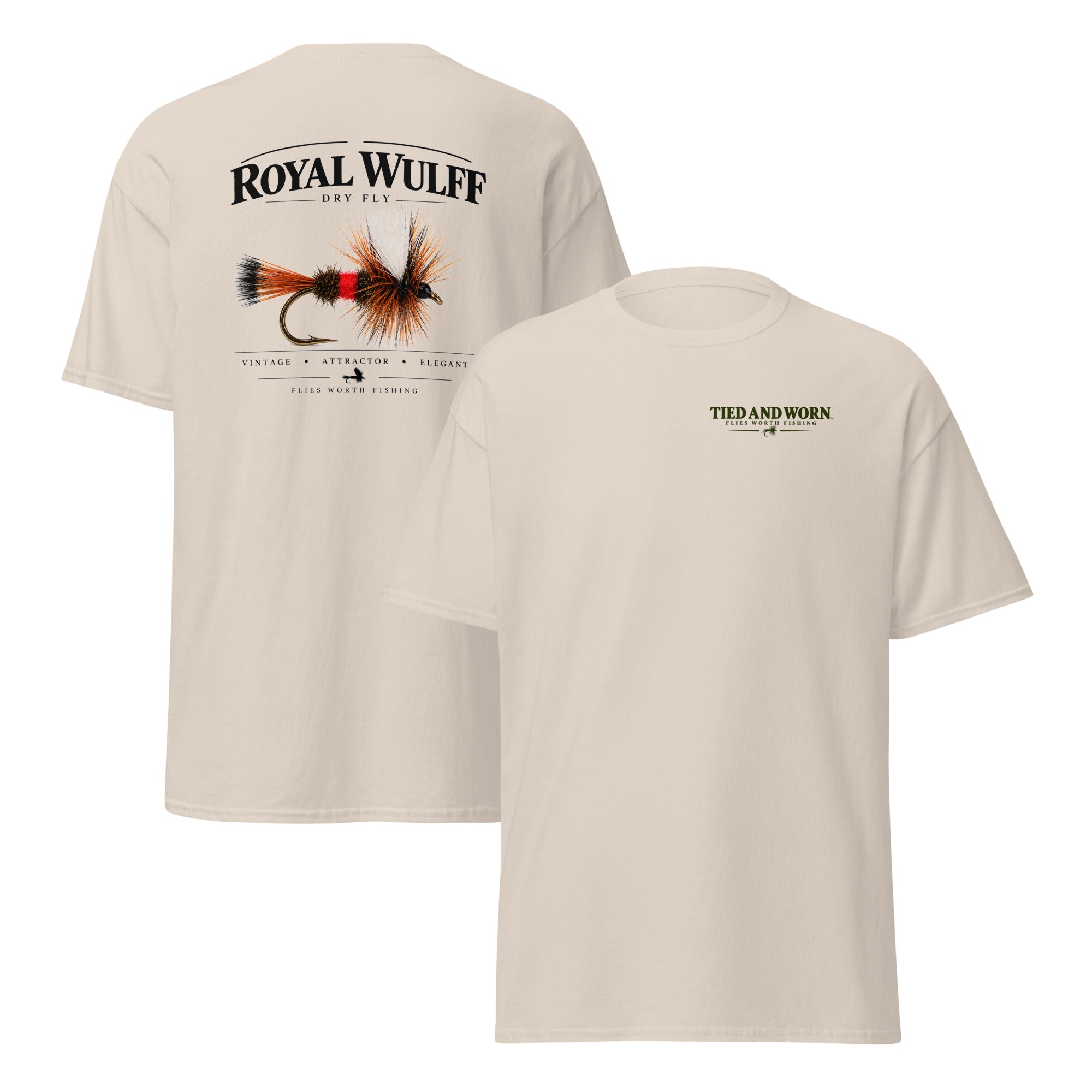
Hooks, thread, hackle and a few feather sets cover your first patterns, and a starter kit helps you avoid buying tools you will not use. Once your kit is built, you can read how to maintain graphic tee quality wash after wash to keep your apparel looking good. For a classic dry fly, a pattern like the Royal Wulff makes a useful first project.
!An angler's hands seated at a fly-tying bench, working a small hook with a vise, thread and feathers laid out neatly beside them
Watch out: cheap vises that wobble will frustrate you and lead to poor results that make the hobby feel more expensive than it is.
Fly Tying Break-Even Point and Cost Per Fly Tying Your Own
To find your break-even point, divide your total startup cost by the retail price of the flies you would otherwise buy. The startup cost is covered after a number of flies that depends on your equipment spend and materials cost per fly.
Simple patterns are the cheapest to produce. A Pheasant Tail Nymph uses few materials, and buying in bulk instead of small packs lowers cost per fly further.
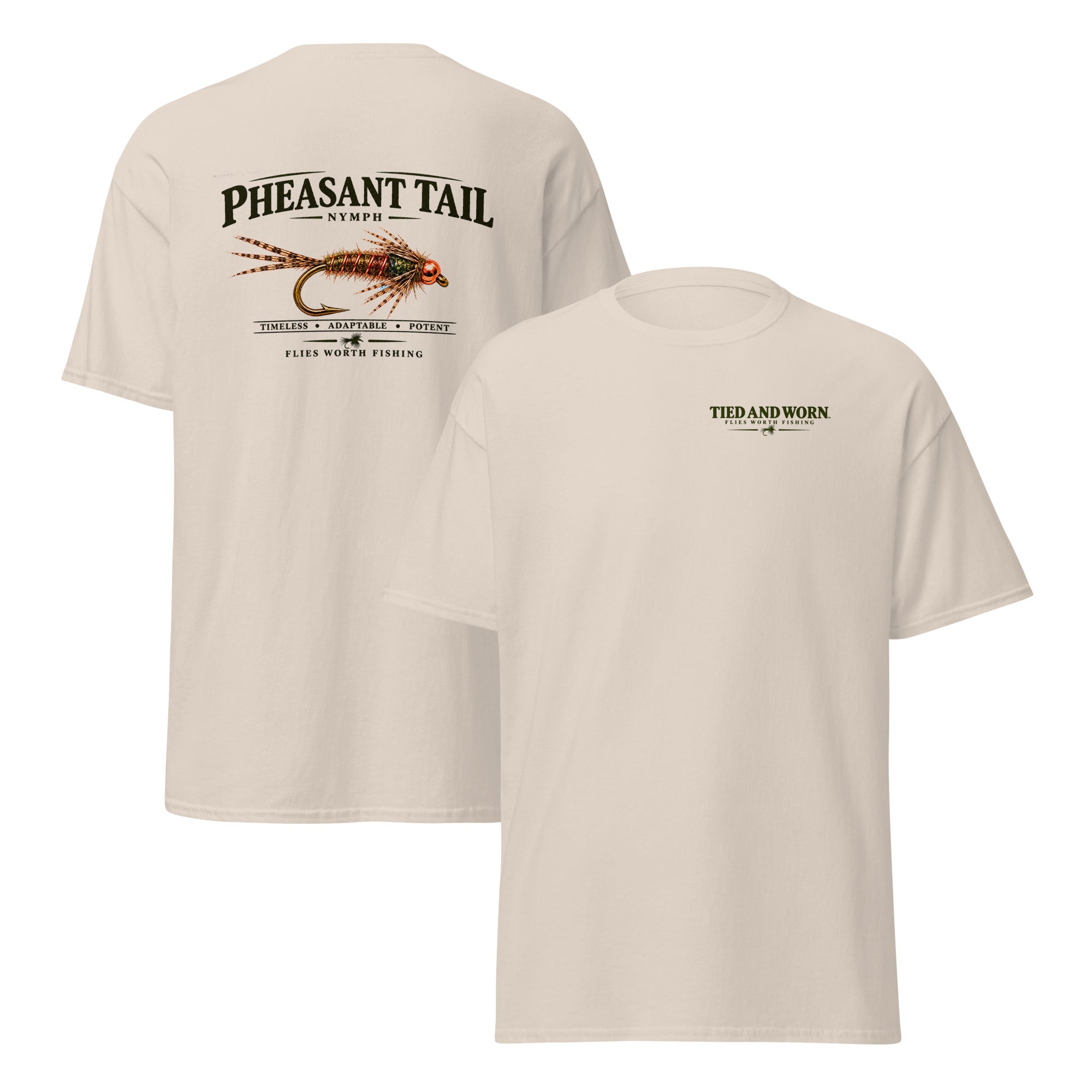
Fly tying also takes time, and that is a cost too. Fly fishing apparel such as the Royal Wulff is one way anglers express their passion for patterns they already know well, whether or not they tie them.
Best for: anglers who fish regularly and tie their own patterns in volume.
Skip if: you only fish a few times a year and would rather buy a handful of flies.
The article breaks down how the cost comparison plays out for different kinds of anglers and patterns.
| Factor | Detail | Note |
|---|---|---|
| Startup cost | Vise, bobbin, scissors, hackle pliers, bobbin threader | Covered after enough flies are tied |
| Break-even method | Startup cost divided by retail price of flies | Depends on equipment spend and materials per fly |
| Cheapest pattern | Pheasant Tail Nymph | Uses few materials |
| Cost saver | Buying materials in bulk | Lowers cost per fly |
| Hidden cost | Time spent tying | Counts as a cost too |
| Best for | Anglers who fish regularly and tie in volume | Makes tying worthwhile |
| Skip if | You fish only a few times a year | Buying a few flies is simpler |
Frequently Asked Questions
Is it cheaper to tie flies or buy them?
For most anglers who tie regularly, tying is cheaper per fly once the equipment is paid for. Buying a fly is simple, but each one carries a retail price, while materials bought in bulk stretch much further. The catch is the upfront cost of a vise and basic tools. Until you have tied enough flies to cover that outlay, buying is the cheaper option. Occasional anglers who fish only a few times a season will often come out ahead by simply buying what they need.
How many flies do you need to tie before fly tying saves money?
The break-even point depends on what you spend on the vise and tools, and how much you spend on materials per fly. Divide your startup cost by the difference between the retail price of a fly and your cost to tie it. The result is roughly how many flies you need to tie before you are ahead. Tying in volume, sticking to a few patterns and buying materials in bulk all bring that number down.
Which fly patterns are cheapest to tie?
Simple patterns that use few materials, such as basic nymphs and many dry flies, tend to be the cheapest to tie. Patterns that need exotic feathers, large amounts of dubbing or specialty components cost more in materials. Choosing patterns you fish often and tying them in quantity gives you the best return on your materials budget.
