

Quick Summary
The best fly fishing patterns for trout anglers are a compact set of nymphs, dry flies and attractors that match the insects trout eat. Carry a few sizes of two or three proven patterns rather than a large box. The Pheasant Tail Nymph, Hare's Ear Nymph, Copper John and Zebra Midge cover most trout water.
- Start with a compact nymph selection of a few sizes and patterns, not a large box.
- The Pheasant Tail Nymph is a dependable imitation of mayfly nymphs across many river types.
- The Copper John is weighted to get down to feeding fish in deeper runs.
- The Zebra Midge matters on tailwaters where midges dominate.
- Sort your fly box by pattern and size so you can choose quickly on the water.
Table of Contents
- Top Trout Nymph Patterns Worth Carrying
- Trout Dry Fly Patterns That Work on the Surface
- Fly Fishing Flies Identification Chart and Lake Picks
- Frequently Asked Questions
10 Best Fly Fishing Patterns for Trout Anglers Use
Last Updated: November 21, 2026
Top Trout Nymph Patterns Worth Carrying
Most trout anglers spend their time below the surface, where the bulk of a trout's diet lives. Nymphs imitate the immature stages of aquatic insects, and a handful of proven fly fishing patterns covers most situations.
Start with a compact nymph selection rather than a large box. A few sizes of two or three patterns cover most rivers.
- Pheasant Tail Nymph: a dependable imitation of mayfly nymphs across many river types
- Hare's Ear Nymph: a buggy, textured profile that trout rarely ignore
- Copper John: a weighted pattern for getting down to feeding fish in deeper runs
- Zebra Midge: a small fly that matters on tailwaters where midges dominate
The four nymph patterns covered here each suit a different trout water type, as summarised below.
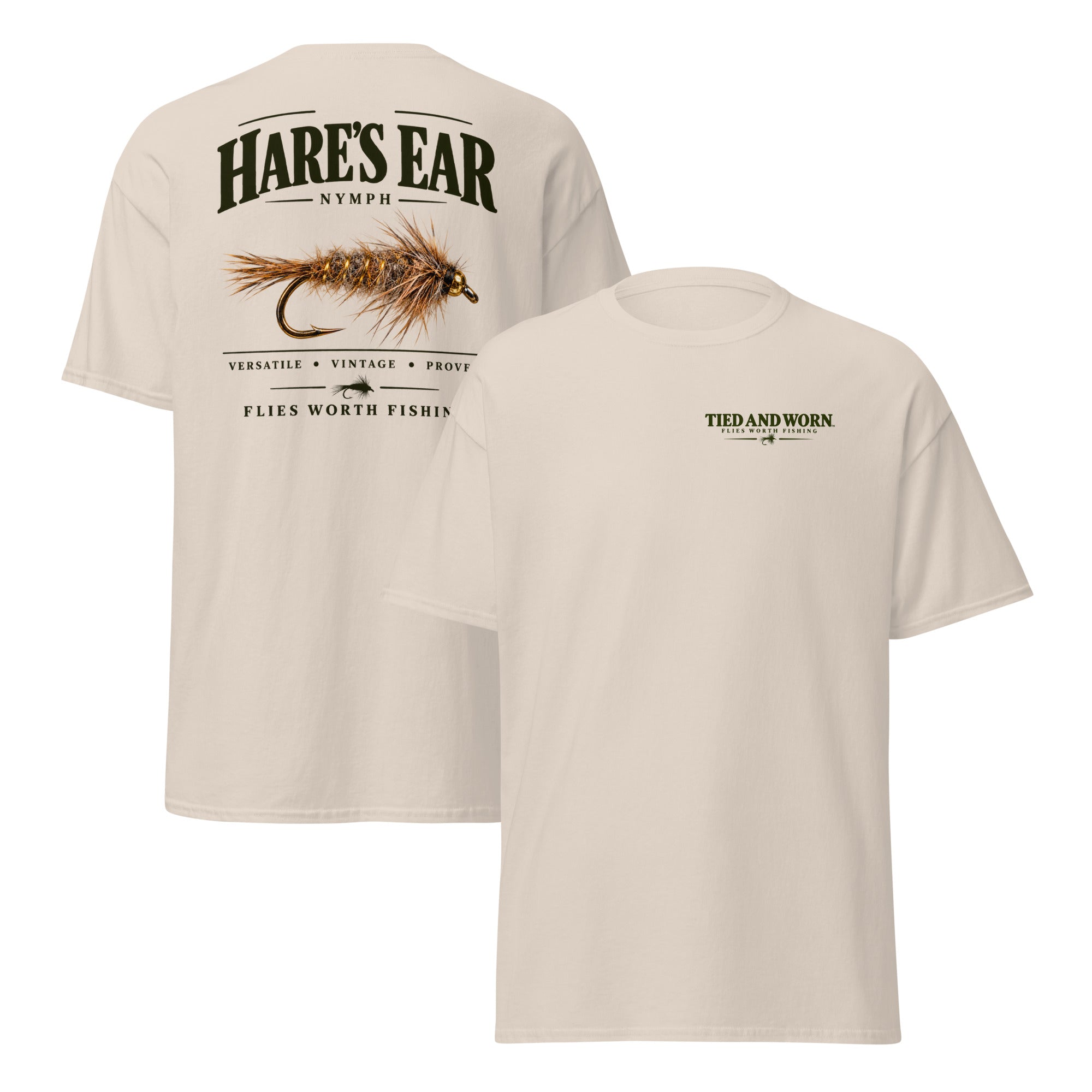
| Pattern | Best for | Key difference |
|---|---|---|
| Pheasant Tail Nymph | Many river types | Dependable mayfly nymph imitation |
| Hare's Ear Nymph | Trout that ignore little | Buggy, textured profile |
| Copper John | Deeper runs | Weighted to reach feeding fish |
| Zebra Midge | Tailwaters | Small fly where midges dominate |
Trout Dry Fly Patterns That Work on the Surface
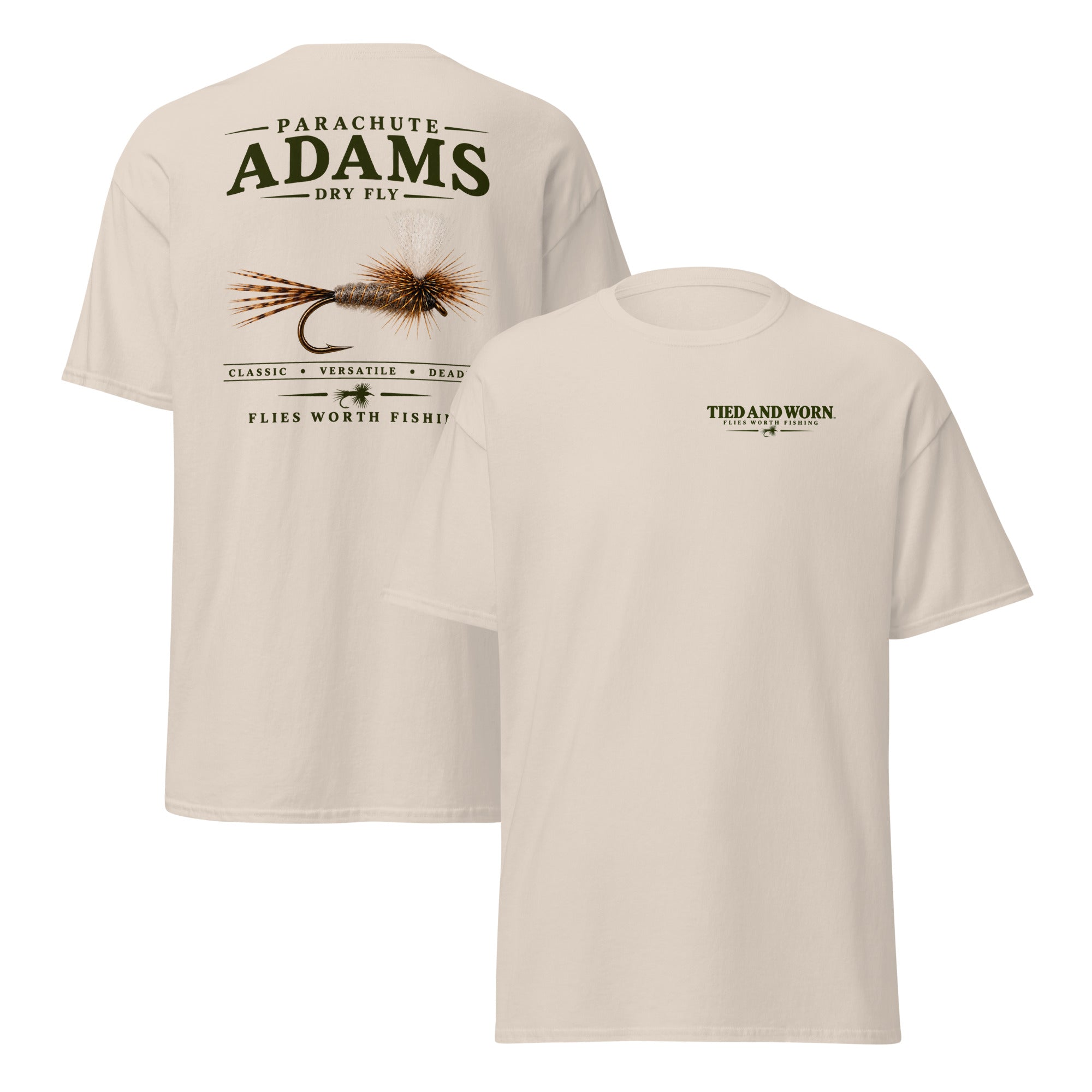
The Parachute Adams is a classic dry fly pattern. It is the design featured on the Parachute Adams tee.
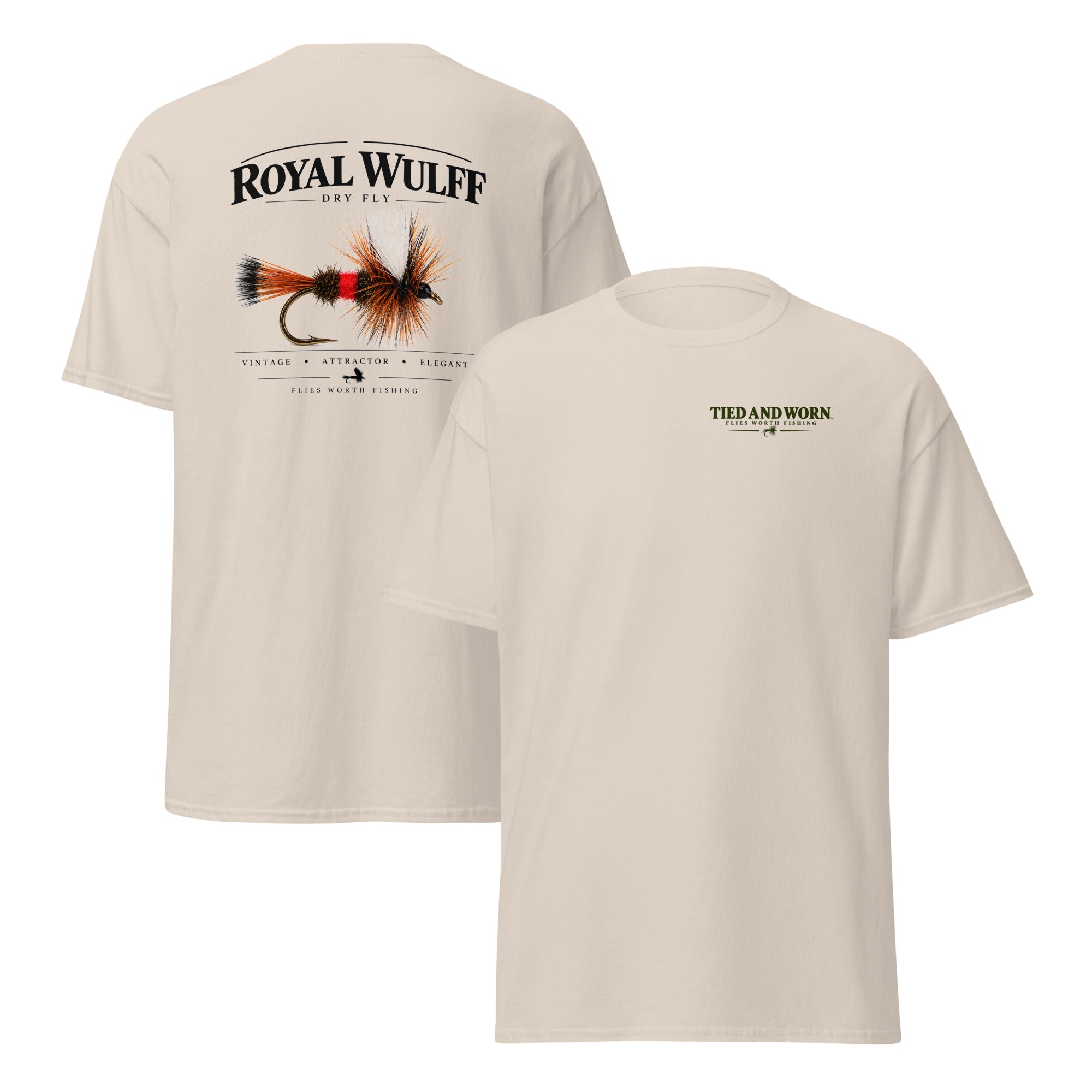
The Royal Wulff is easy to spot on the water. Browse the Elk Hair Caddis tee for dry fly anglers in several colors and sizes.
Fly Fishing Flies Identification Chart and Lake Picks
Learning to identify patterns by shape and colour helps you choose quickly on the water. The Woolly Bugger is a fly that can be used as a streamer, nymph or attractor.
Check the sizes and profiles on the water, then match what you see. Our guide to identifying authentic fly patterns explains how to spot the differences. A simple chart in your fly box, sorted by pattern and size, speeds up that decision. For more on telling authentic patterns apart, see our guide on how to identify authentic fly patterns.
Shop the full range of fly fishing apparel at Tied and Worn, with tees in sizes S to 5XL, each priced at $34.99.
Frequently Asked Questions
What are the top 10 fly patterns for trout fishing?
The ten patterns most anglers keep on hand include the Parachute Adams, Royal Wulff, Elk Hair Caddis, Copper John, Hare's Ear Nymph, Pheasant Tail Nymph, Zebra Midge and Woolly Bugger, along with a few attractor and streamer staples. Dry flies cover surface-feeding trout, while nymphs and midges take fish feeding just under the film. Carry a mix of both so you can adjust when the hatch is quiet or when fish are holding deep.
Which fly patterns work best for rainbow trout in lakes?
In stillwater, a Zebra Midge or Hare's Ear Nymph fished slowly under an indicator often produces when rainbows are feeding near the bottom. When fish are rising, a Parachute Adams or Elk Hair Caddis fished in the surface film works well. Match the size to the insects present, since lake trout are often selective about the size of what they eat.
How do I choose the right fly pattern for trout?
Start by watching the water. If you see fish rising, begin with a dry fly that resembles the insects on the surface. If nothing is breaking the surface, fish a nymph close to the bottom. Pick a size and color that match the natural, and change patterns if you get no interest after a few drifts.
